
I remember the exact moment I realized I had been throwing money at the wall. It was during a quiet morning at my bakery in Bakersfield, staring at my Google Maps profile with zero calls and fewer clicks. Despite pouring hundreds into paid ads and endless tweaks, nothing changed. That lightbulb moment hit me hard: I was focusing on the wrong SEO strategies, wasting cash and precious time.
If you’re like me—tired of pouring dollars into local SEO efforts that seem to vanish into thin air—you’re going to want to read this. Because I’ve uncovered three critical truths about Central Valley SEO that are fundamentally changing the game for small businesses in 2026. These aren’t gimmicks or fleeting trends; they’re proven strategies based on real-world results.
Why Ignoring Local SEO Could Crush Your Business in 2026
Many local shops are unknowingly sabotaging their own success by neglecting foundational SEO tactics. The landscape is evolving rapidly, especially with the rise of AI-driven searches and changes to Google Maps rankings. Missing out on these insights can mean you stay invisible where it counts—on the first page of local search results.
Early on, I made the mistake of focusing solely on paid advertising, thinking it was the quickest way to attract new customers. Turns out, I overlooked the power of a well-optimized Google My Business profile and local map pack strategy. According to recent industry reports, about 57% of local businesses still underperform because they fail to optimize their local SEO effectively (source), which is a costly oversight in a digital-first world.
If you’re feeling frustrated with your current approach—whether your shop isn’t showing up on Google Maps, or you’re not getting enough local calls—know that you’re not alone. But there’s hope. The solution lies in understanding the truth. Today, I promise to share the essential strategies that will help you reclaim your spot in the local map pack and stop wasting cash chasing ineffective tactics.
Are you tired of seeing competitors dominate Google Maps in Bakersfield? Do you wonder why some shops always seem to get more calls and walk-ins, while others are invisible? If so, keep reading. We’re about to cut through the noise and reveal what really works in Central Valley SEO for 2026.
Optimize Your Google My Business Profile
First, claim and verify your GMB profile if you haven’t already. Ensure all information is accurate: business name, address, phone number, and categories. Use a local phone number to boost relevance. Add high-quality photos that showcase your shop, and update your business hours. Regularly post updates and special offers to engage potential customers. For detailed GMB optimization tips, visit this guide.
Leverage Local Keywords and Content
Research keywords that your Bakersfield customers are searching for, like “Bakery in Bakersfield” or “Best local bakery in Central Valley.” Incorporate these into your website, service pages, and blog posts. Use location-based keywords naturally in your page titles, headings, and meta descriptions. Writing locally relevant content helps Google understand your business’s connection to Bakersfield and boosts your map pack visibility. Consider creating a blog series on baking tips tailored to Bakersfield residents to further enhance local relevance.
Build and Manage Local Citations
Consistency is key. Ensure your business info matches across all directories: Yelp, Bing Places, Apple Maps, and industry-specific sites. Submit your business to reputable local directories, like our contact page for a comprehensive list. Regularly audit these citations for errors, as discrepancies can harm your local rankings. The more consistent and authoritative your listings, the more Google trusts your business’s legitimacy.
Gather and Showcase Customer Reviews
Encourage satisfied customers to leave reviews on your GMB profile. The more positive and recent reviews you have, the more trustworthy your listing appears. Respond promptly to reviews, especially negative ones, demonstrating active management. Implement a review collection process—perhaps a follow-up email asking for feedback. Emphasize the importance of reviews for local SEO success in this article.
Use Local Schema Markup and Site Optimization
Add LocalBusiness schema markup to your website to provide search engines with detailed info about your bakery. This boosts your chances of appearing in rich snippets and local packs. Additionally, optimize your website’s loading speed and mobile friendliness; these technical factors influence your Google Maps ranking. Regularly update your website with fresh, locally relevant content to keep Google engaged and your rankings high.
Monitor, Adjust, and Stay Consistent
Track your rankings, traffic, and calls using tools like Google Search Console and Google Maps insights. Regularly review your analytics to identify opportunities and drop-offs. Adjust your strategies based on what you learn—whether it’s refining keywords or improving review collection processes. Consistency in daily management and periodic audits keep you in Google’s good graces and help maintain and improve your position in Bakersfield’s local search results.
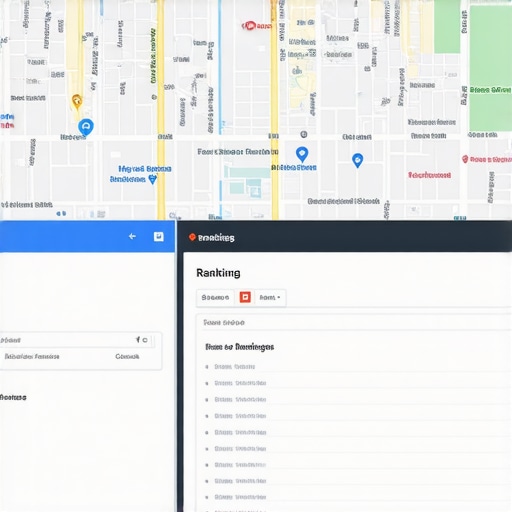 Many local business owners assume that optimizing their Google My Business (GMB) profile alone guarantees top rankings in Bakersfield and the broader Central Valley. While claiming and verifying your profile is essential, it’s only the starting point. A widespread misconception is that Google Maps rankings are purely based on direct profile signals, but in reality, the algorithm considers a complex web of local citations, on-site relevance, and user engagement factors. Experts like Darren Shaw emphasize that “local SEO success hinges on a holistic approach that integrates multiple elements, not just GMB optimization” (source).Keeping your Google Maps rankings stable and improving over time requires the right tools and consistent effort. One essential software I personally rely on is BrightLocal. Its Local Search Results Tool allows me to monitor shifts in local rankings for keywords like “Bakersfield bakery” or “Central Valley SEO.” It provides real-time updates on your position in the map pack, enabling prompt adjustments. Additionally, Moz Local has been invaluable for managing and auditing citations across multiple directories to ensure consistency, which directly impacts local rankings. I also recommend using Google’s own Search Console to track website performance and identify technical issues that could affect local SEO, like mobile-friendliness or page speed, which are increasingly relevant for Google Maps visibility. For trend prediction, these tools will become even more integrated with AI-driven analytics, helping us anticipate algorithm changes and stay ahead. How do I maintain rankings over time? Regularly auditing your citations, updating your profile, and analyzing your competitors’ strategies using these tools keep your business visible and competitive in Bakersfield’s local space. To put this into practice, start with a comprehensive citation audit using Moz Local; it’s a crucial step to ensure your business signals are consistent across the web, which, as Darren Shaw highlights, is fundamental for local SEO success (source). Remember, consistency is key—make this a recurring activity every quarter. Incorporate these tools into your routine, and watch your Bakersfield SEO dividends grow steadily. If you’re ready to refine your local strategy further, explore our detailed guides on optimizing your GMB profile and stay ahead in the ever-evolving local SEO landscape.
Over the years, I’ve realized that the most powerful insights often come from the tough lessons learned, not the easy wins. For instance, I once believed that optimizing my Google My Business profile was enough, only to watch as rankings stagnated. That was a wake-up call—local SEO demands a multifaceted approach, combining citation management, review strategies, and technical tweaks. The biggest lightbulb moment came when I understood that consistent effort across all these areas creates a ripple effect, boosting visibility organically and sustainably. It’s not just about quick fixes but committing to a strategic, ongoing process that builds authority and trust in Bakersfield’s competitive landscape. Moreover, I discovered that edge cases—like Google’s evolving algorithms—require staying close to the latest industry updates and frequently reassessing my tactics. These lessons taught me that patience, persistence, and adaptability are the true cornerstones of local SEO success.



Reading this post really hit home about the importance of a comprehensive local SEO strategy. When I first started my coffee shop in Fresno, I was tempted to just focus on paid ads, thinking that would bring quick results. However, I soon realized that without optimizing my Google My Business profile and managing local citations, my shop remained invisible on Google Maps. It was only after I dedicated time to building genuine reviews and updating my info across directories that I started to see real growth. The point about using tools like BrightLocal and Moz Local really resonated—these have become essential for me to track and maintain my rankings effectively. I’ve also been contemplating creating a local blog series with tips on coffee brewing tailored for Fresno residents, hoping to boost local relevance even further. Has anyone experienced a noticeable change in local rankings after implementing schema markup or regularly updating their content? Curious to hear how others stay consistent and adapt to Google’s evolving algorithms.
This post hits the nail on the head about how many local businesses, including my own, overlook the importance of a well-rounded SEO approach beyond just GMB optimization. I once thought that verifying my profile and adding a few photos would be enough, but I soon realized that citation consistency and review management are game-changers. I started focusing more on building local citations and encouraging reviews, and the noticeable uptick in calls and walk-ins was encouraging. What’s been your experience with integrating local schema markup? I’ve heard it can really boost visibility in rich snippets, but I wonder how much effort it takes to keep it updated with Google’s evolving algorithms. Also, any tips on maintaining a steady flow of fresh, locally-relevant content without it feeling overwhelming? I believe that consistent, strategic efforts across all these areas are what truly build lasting presence in local search results, especially in a competitive market like Bakersfield.
This post really hits the mark about the importance of a holistic approach to local SEO, especially as algorithms continue to evolve with AI integration. I experienced a similar wake-up call recently when I focused solely on paid ads for my boutique store, only to find that my Google My Business and local citations made a huge difference in visibility. What I’ve found particularly effective is combining consistent review management with local content creation—posting regular updates about community events or new arrivals in my shop. It keeps my profile active and engaging for local customers and helps Google recognize my relevance in the area. I’m curious, how do other small businesses here manage their review strategies without seeming pushy? And have you noticed any particular content formats or local keywords that tend to work better in increasing calls and walk-ins? I believe that balancing technical optimization with genuine community engagement is the way forward for urban retail in 2026.