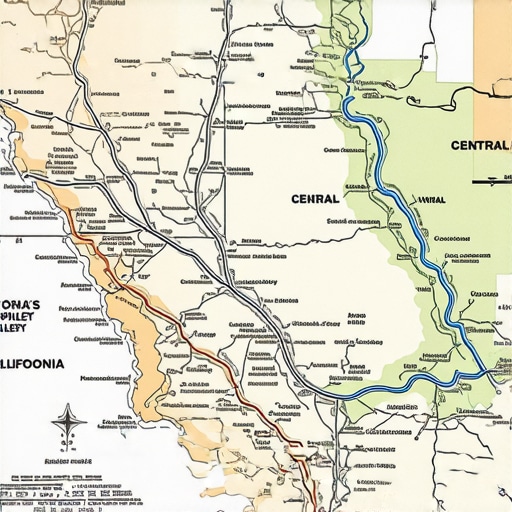
I remember the first time I tried to optimize a Google Maps listing in the Central Valley. I was excited but clueless, and it showed. My business barely appeared in local searches, and I felt like I was shouting into the void. That lightbulb moment hit me hard—local SEO isn’t just about keywords; it’s about strategic map optimization that actually works. If you’ve ever felt frustrated because your local business isn’t showing up where it should, you’re not alone. I’ve been there, and I’ve learned some powerful, proven tactics that can turn things around.
Why Central Valley SEO Matters More Than Ever
The Central Valley is a bustling hub of agriculture, small businesses, and vibrant communities. But with so many competitors vying for local attention, standing out becomes a real challenge. According to a recent study, 78% of local mobile searches result in an offline purchase, making local SEO essential for any business that wants to thrive in 2024. If your Google Maps listing isn’t optimized, you’re basically invisible to potential customers who are ready to buy. That’s why mastering these strategies can be a game-changer for your business’s growth and visibility.
Have You Faced This Problem?
Do you ever wonder why your competitors always seem to outrank you on Google Maps? Or maybe you’ve spent hours trying to improve your listing, only to see little to no results? Trust me, I’ve made those mistakes early on. I once ignored the importance of consistent NAP (Name, Address, Phone Number) citations, which cost me valuable local visibility. It’s these small, overlooked details that can make or break your local rankings. For a comprehensive approach, check out this guide that covers the essentials of California Maps SEO.
Whether you’re a local restaurant, a service provider, or a retail shop, the right map optimization strategies can help you dominate the local pack and attract more customers. Are you ready to discover the proven techniques that will elevate your Google Maps presence and secure your spot at the top? Let’s dive into the practical steps to make it happen.
Optimize Your Google My Business Profile
Start by claiming and verifying your GMB listing if you haven’t already. Make sure your business information is accurate and consistent across all online platforms, including your website, social media, and directories. Fill out every section of your profile with detailed descriptions, hours, services, and high-quality images. Pay special attention to your primary category and include relevant secondary categories that reflect your services. Don’t forget to add your local keywords naturally within your business description to improve relevance.
Enhance Visual Appeal with Photos and Videos
Uploading high-quality photos and videos helps your listing stand out and builds trust with potential customers. Showcase your products, storefront, team, and satisfied customers. Regularly updating your visuals signals activity to Google, which can positively influence your rankings. Use images that highlight your local appeal, such as community involvement or local landmarks, to reinforce your neighborhood presence.
Build Local Relevance Through Citations and Reviews
Consistency is key. Ensure your NAP (Name, Address, Phone Number) details match exactly across all local directories and citation sites. For effective citation building, focus on reputable sources like Yelp, Bing Places, and industry-specific directories relevant to the Central Valley. Additionally, actively gather and respond to reviews. Encourage satisfied customers to leave positive feedback, which boosts credibility and local rankings. Use keywords naturally in review responses to reinforce your relevance.
Leverage Local Keywords in Content and Services
Identify keywords your local audience searches for, such as “Bakersfield plumbing” or “Central Valley restaurant.” Incorporate these into your website content, service pages, and Google Posts. This geo-targeted language helps Google associate your business with local search queries, increasing your chances of appearing in the local pack. Use tools like Google Keyword Planner or local SEO guides to find relevant keywords.
Engage with the Community and Local Content
Participate in community events, sponsor local teams, or host workshops. Share these activities via your Google Posts and social channels. Creating localized content, such as blog posts about community events or local news, signals to Google that your business is an active part of the neighborhood. This community engagement not only improves visibility but also fosters trust among local customers.
Monitor and Optimize Your Performance
Use the Insights feature in Google My Business to track how customers find your listing and interact with it. Analyze which keywords drive traffic, what actions visitors take, and where your listing appears in the local pack. Based on this data, refine your strategy by adjusting keywords, updating photos, or encouraging more reviews. Regular optimization ensures your profile remains competitive and aligned with current search trends.
Implementing these proven strategies will significantly improve your presence on Google Maps and attract more local customers. For a comprehensive plan tailored to your specific market, check out this in-depth guide. Remember, consistency and community engagement are your secret weapons in dominating the local map pack.
Many business owners fall into traps by believing misconceptions about local SEO and Google Maps optimization. Let’s dig deeper into some of the most common myths that could hinder your progress and reveal the hidden nuances that can give you an edge in Central Valley’s competitive market.
Everyone Focuses on Keywords — But That’s Not Enough
It’s a widespread belief that stuffing keywords into your Google My Business (GMB) profile and website will automatically boost your rankings. While keywords are crucial, overemphasizing them can backfire, making your content seem spammy and less trustworthy. Google’s algorithms now prioritize user intent, relevance, and engagement over simple keyword density. To truly stand out, focus on creating valuable, localized content that naturally incorporates your keywords, and offers real solutions to your customers’ needs. For example, instead of just listing “Bakersfield plumbing,” craft stories or posts about local plumbing issues and solutions. This approach builds authority and trust, which Google rewards with better visibility. For more insights on keyword strategies, check out this detailed guide.
Are You Falling for This Trap? Let Me Know in the Comments!
Another misconception is that once your GMB profile is optimized, you’re set for good. But local SEO is an ongoing process that requires continual refinement, monitoring, and community engagement. Think of your profile as a living entity that needs regular updates, reviews, and interaction to stay relevant and competitive.
Ignoring the Power of Community and Reviews
Many believe that reviews are just nice-to-have comments. In reality, reviews significantly influence local rankings and customer trust. But here’s the twist: not all reviews are created equal. Quantity matters, but so does quality and relevance. Responding to reviews with thoughtful, localized replies enhances your credibility and signals to Google that your business is active and engaged. Additionally, encouraging reviews that mention specific services or keywords can boost your relevance in local searches. Be cautious, however—buying reviews or incentivizing fake feedback can lead to penalties and damage your reputation. Real, authentic reviews from satisfied customers are always the best bet. For proven review management strategies, visit this resource.
Advanced Question: How Can Local Content and Community Engagement Outperform Keyword Stuffing?
Focusing on community involvement and localized content can create a ripple effect that surpasses traditional keyword tactics. Engaging in local events, sponsoring community initiatives, and sharing stories about your neighborhood demonstrate your business’s genuine commitment and increase your local relevance. Google’s algorithms favor active, community-oriented businesses, especially when your content resonates with local interests and concerns. For instance, posting about a recent local festival or a charity event your business supported can generate organic engagement and backlinks, boosting your local SEO more sustainably than keyword stuffing. To harness this effectively, develop a content calendar that aligns your marketing efforts with local happenings. For detailed strategies on community engagement, see this guide.
Remember, the key to mastering local SEO is to think beyond the basics and adapt to evolving Google algorithms. Avoid the common pitfalls, stay consistent, and focus on authentic community involvement for long-term success. Have you ever fallen into this trap? Let me know in the comments.
Keeping your Google Maps profile performing at its best requires more than just initial setup and occasional updates. To ensure sustained visibility and to adapt to evolving algorithms, leveraging the right tools and establishing a consistent maintenance routine is essential. Over the years, I’ve refined my approach using specific software and methods that deliver reliable results, and I highly recommend integrating these into your local SEO strategy.
How do I maintain my Google Maps rankings over time?
Maintaining your local map pack presence involves regular monitoring, updates, and engagement. First, consistent review management is crucial. Tools like BirdEye or Podium help automate review collection and response, ensuring your profile stays active and relevant. These platforms also aggregate reviews from multiple sources, giving you a comprehensive view of customer sentiment. Personally, I prefer Podium because it streamlines communication and allows personalized responses, which Google favors for local relevance.
Next, keep your information fresh. I use Google My Business Manager tools that sync my NAP details across multiple directories, reducing errors and inconsistencies. Regularly updating your business hours, adding new photos, and posting relevant updates signals activity to Google, which can boost your rankings.
For tracking your progress, I rely on Google Search Console and Google Insights. These tools help analyze how your profile performs for different keywords and geographic areas, guiding your content and engagement strategies. The key is to review these insights weekly and tweak your approach accordingly.
Another often overlooked aspect is local link building. I use BrightLocal to identify local citation opportunities and monitor your competitors’ profiles. Building new citations on reputable local sites and maintaining consistency helps reinforce your local relevance.
Looking ahead, the trend is clear: automation, real-time engagement, and data-driven adjustments will dominate local SEO. As Google continues to prioritize user experience and relevance, staying proactive with these tools will keep your profile competitive in the long run.
Don’t forget to revisit your strategy periodically by analyzing what’s working and what isn’t. Use these tools to set reminders for regular updates, review responses, and citation audits. This disciplined approach is the secret to long-term success.
If you’re ready to take your Google Maps optimization to the next level, try integrating review management with advanced review tools and set a monthly schedule for content updates and citation reviews. Consistency paired with smart tools will keep your business visible and thriving in the Central Valley’s competitive landscape.
Over the years, I’ve discovered that the most valuable lessons in Google Maps SEO aren’t always found in textbooks or guides—they come from real-world experiences and honest reflections. Here are some insights I wish I had known earlier that could save you time and frustration in dominating the Central Valley’s local search scene.
- Consistency Trumps Everything: I used to think a few updates here and there were enough. Turns out, Google rewards persistent activity. Regularly updating your photos, responding to reviews, and posting about community events keeps your profile fresh and signals to Google that your business is active and relevant.
- Community Engagement Matters More Than Keywords: While keyword optimization is vital, genuine community involvement creates trust and organic backlinks. Sponsoring local events or sharing neighborhood stories can boost your relevance more sustainably than just keyword stuffing.
- Reviews Are Your Superpower: I once overlooked the importance of reviews, thinking they were just social proof. But reviews directly influence rankings and customer perception. Encourage honest feedback and respond thoughtfully to foster loyalty and improve local visibility.
- Visuals Build Trust: High-quality photos and videos aren’t just for aesthetics—they communicate professionalism and local pride. Regular visuals updates signal activity to Google and attract more clicks from potential customers.
- Tools Can Be Your Best Friends: Automating review collection and citation management with platforms like BirdEye or Podium saves time and keeps your profile optimized. Using these tools effectively can be a game-changer in maintaining your local map presence.
My Essential Toolkit for Local Map Success
- Google My Business Manager: For syncing NAP details and posting updates—crucial for accurate local SEO.
- BrightLocal: To monitor citations, analyze competitors, and identify new local opportunities.
- Google Insights: For tracking how customers find and interact with your profile, guiding continuous improvement.
- Review Platforms like Podium: For managing reviews seamlessly and engaging with customers authentically.
Your Next Step in Local SEO
The future of local search in the Central Valley is bright for those willing to adapt and engage authentically. Take the lessons from my journey—prioritize community, stay consistent, and leverage the right tools—and you’ll be well on your way to dominating your local map pack. Remember, local SEO isn’t a one-time effort; it’s a continuous process of building trust and relevance.
Are you ready to elevate your Google Maps game and turn local searches into loyal customers? Dive deeper into proven strategies with this comprehensive guide and start transforming your visibility today.
Reading this post really hit home about how crucial consistent activity is for local SEO success. I’ve seen firsthand how just updating your Google My Business profile sporadically can lead to stagnation in rankings, especially in a competitive area like the Central Valley. I’ve also found that engaging with the community through local events and sharing stories not only boosts reputation but also naturally attracts backlinks and reviews, which Google loves.
I’m curious, how do others balance time between regular profile updates and community engagement? For small business owners juggling multiple responsibilities, it can be challenging to keep everything fresh and active. Do you have any tools or routines that help automate or streamline these efforts without losing the personal touch that makes your business stand out? Would love to hear practical tips or success stories from fellow local SEO enthusiasts.
This post really resonated with me because I’ve seen how much consistent visual updates can impact local visibility. I used to overlook the importance of fresh photos and videos, but after adding regular new visuals showcasing community events and new products, I noticed a significant uptick in customer engagement on our Google Maps listing. It’s amazing how much Google pays attention to activity signals.
I’m also curious—how do you prioritize visual content creation along with other central tasks? Do you use any specific tools to streamline the process? For instance, I started using Canva for quick graphics, which has been a game changer.
Additionally, I think community involvement really amplifies your local presence beyond just online strategies. Have others found success in partnering with local influencers or sponsoring events? Would love to hear what’s worked best for different types of businesses in the Central Valley.
Reading through this post, I can totally relate to that initial frustration of trying to get your Google Maps listing to pop up more prominently. I remember when I first started, I thought just filling out the profile was enough. It’s empowering to see how consistent efforts, like regular updates and community engagement, really do make a difference. I’ve found that scheduling weekly review prompts and content updates has helped me stay on track without feeling overwhelmed. Also, leveraging tools like BrightLocal for citation tracking has been a game-changer in maintaining accuracy across directories.
One thing I’ve noticed from local businesses in the Central Valley is that authentic community involvement often garners more trust and organic backlinks than pure online tactics. For example, sponsoring a local event or sharing behind-the-scenes stories can boost visibility and credibility. Has anyone else tried integrating storytelling or local collaborations into their strategy? What sort of partnerships have you seen generate the most engagement? Sharing those experiences could really help others refine their approach to mastering local SEO.