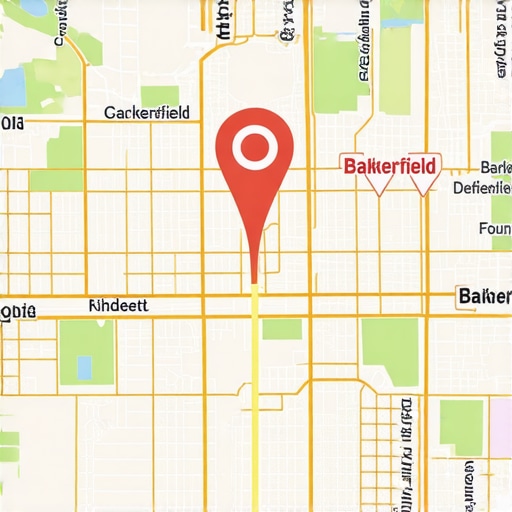
I remember the exact moment I realized I was invisible on Google Maps. I had poured so much effort into my Bakersfield business, optimizing my profile and hoping for the best. Yet, I barely ranked, and local customers couldn’t find me. It was frustrating—until I discovered the critical mistakes I was making and learned how to fix them. If you’ve ever felt like your business is hidden in plain sight, you’re not alone. The good news? There’s a proven way to turn that visibility around, and I’m here to walk you through it.
Why Local SEO on Google Maps Matters More Than Ever in 2024
In today’s competitive Bakersfield market, simply having a Google My Business profile isn’t enough. According to a BrightLocal survey, 78% of local mobile searches result in an offline purchase within 24 hours. That’s huge. Your potential customers are actively looking for services just like yours, and if you’re not showing up at the top, they’re going elsewhere. This is why mastering Google Maps optimization is essential. It’s not just about being listed; it’s about standing out and attracting real, paying clients. I’ve seen firsthand how strategic tweaks can catapult a business from obscurity to local prominence. And trust me, the difference between ranking on the first page or being buried can make or break your year.
Is Google Maps Optimization Really Worth the Hype?
I used to think all the fuss about Google Maps was overblown—until I made a costly mistake early on. I neglected to keep my profile updated and ignored customer reviews. That mistake cost me visibility and trust. But once I learned the importance of consistent engagement and proper optimization, everything changed. If you’re skeptical, consider this: businesses that appear in the local 3-pack see a 700% increase in clicks compared to those that don’t. So yes, investing in your Google Maps presence is worth every penny. Want to avoid my early pitfalls? Let’s explore the strategies that really work.
Claim and Verify Your Business Fast
The first step I took was to claim my Google My Business (GMB) profile and verify it promptly. Think of this as registering your business in the local directory—without it, you’re invisible. During my initial attempt, I made a mistake by submitting inconsistent information, which delayed verification. To avoid this, double-check your business name, address, and phone number (NAP) before submitting. Once verified, your profile becomes a foundational asset for local SEO.
Optimize Your Profile for Maximum Impact
Next, I focused on optimizing my profile. This isn’t just about filling in basic info; it’s about making your listing irresistible to Google and customers alike. Use the primary keywords relevant to your services—like “Bakersfield plumbing” or “auto repair Bakersfield”—in your business description. Upload high-quality photos that showcase your services. Remember, visuals speak volumes, so clear and professional images boost trust and engagement. For detailed tips, check out these optimization secrets.
Leverage Local Keywords Effectively
Keyword research is vital. I used tools to find high-volume local search terms that my potential customers typed. Incorporate these keywords naturally into your business description and posts. This makes your profile more relevant when Google’s algorithms match search queries to local results. For instance, instead of just “bakery,” use “best bakery in Bakersfield”—this hyper-specificity drives targeted traffic. To master this, explore California Maps SEO tips.
Encourage and Manage Customer Reviews
Reviews are the social proof that Google and customers trust. I reached out to satisfied clients asking for reviews, making it a routine. Responding to reviews, positive or negative, shows engagement and boosts your visibility. I learned that personalized responses to reviews can turn a neutral customer into a loyal advocate. Remember, reviews also include keywords naturally, helping your profile rank higher. For strategies on reviews, see reviews and engagement.
Build Local Citations and Consistent NAP
Consistency is king. I audited my NAP details across all platforms—website, social media, and local directories—ensuring they matched exactly. Inconsistent info confuses Google and hampers rankings. I also submitted my business to reputable local citations, which acted as backlinks, strengthening my profile. To streamline this, use tools or services to keep your citations uniform. For expert guidance, visit local citation strategies.
Post Regularly and Use Google Posts
Staying active on your profile keeps it fresh. I started posting weekly updates—special offers, new services, and community involvement—to engage both Google and customers. These posts appear in your profile and can include keywords, helping your profile stand out. Think of Google Posts as mini advertisements that also signal activity to Google’s algorithm. Regular posting significantly improved my local rankings over a few months. For the best tactics, check out Google Posts tips.
Monitor Your Progress and Adjust
Lastly, I kept track of my rankings and profile insights through Google’s dashboard. Analyzing what worked allowed me to refine my strategies, focusing on high-impact activities. I also kept an eye on competitors’ profiles to spot opportunities. This ongoing process helped me stay ahead in the local pack. Use tools like Google Analytics and GMB insights for data-driven decisions. Remember, local SEO is dynamic—what works today might need tweaking tomorrow. For ongoing tips, visit ongoing optimization strategies.
Many local business owners believe that simply claiming their Google My Business profile and adding some basic information is enough to dominate the local search results. However, this is a dangerous misconception. In my experience, one of the most overlooked nuances is the importance of consistent and strategic optimization. While most focus on initial setup, they often neglect ongoing management and advanced strategies that truly boost visibility.
For example, a frequent mistake is neglecting keyword integration in your profile updates and posts. Instead of just adding generic terms, leveraging local keywords naturally within your content can significantly improve your rankings. Many assume that Google automatically understands their business, but in reality, detailed keyword optimization signals relevance and helps your profile stand out.
Another common myth is that reviews alone determine your rank. While reviews are critical for social proof and engagement, the quality of your citations and NAP consistency plays a vital role. Inconsistent business info across directories can confuse Google and dilute your efforts, an issue I’ve seen countless times. Ensuring your NAP details match precisely everywhere is a simple yet often ignored step that can make or break your local SEO success.
Now, here’s a hidden nuance that many overlook: Google’s algorithm favors active profiles. Regularly posting updates and engaging with reviews signals to Google that your business is active and trustworthy. This ongoing activity can be more impactful than just initial optimization. For advanced practitioners, combining Google Posts with strategic local link building and citation management creates a powerful synergy that catapults your profile into the coveted local 3-pack.
What advanced tactics should I focus on to stay ahead in local SEO?
Beyond basic optimizations, I recommend leveraging local backlink building and implementing schema markup to enhance your profile’s relevance. According to Moz’s expert analysis, integrating structured data can improve local search visibility and CTR. Don’t fall into the trap of complacency—SEO is a dynamic game, and staying updated with the latest algorithm shifts is crucial. Want to deepen your understanding? Check out these top Google Maps SEO strategies.
Have you ever fallen into this trap? Let me know in the comments.
Maintaining your Google Maps presence is an ongoing process that requires consistent effort and the right tools. Over time, search algorithms evolve, competitors ramp up their strategies, and your business landscape shifts. To stay on top, you need a combination of reliable software, regular audits, and strategic adjustments. One of my favorite tools is BrightLocal’s Local Search Results tool, which provides real-time insights into your rankings across multiple locations. I personally use it weekly to monitor fluctuations and identify opportunities for improvement, ensuring my business stays visible to local customers. Additionally, Google My Business Insights offers valuable data about how customers find your profile and interact with it, guiding targeted updates. In the future, local SEO will likely become even more integrated with AI-driven data analysis, making it crucial to adopt tools that leverage automation and predictive analytics to stay ahead. Staying proactive means scheduling regular profile audits, updating photos and posts, and responding promptly to reviews. I also recommend setting up Google Alerts for your business name and relevant keywords to catch any reputation issues early. To keep your Google Maps ranking stable and growing, consider implementing schema markup on your website to reinforce your local relevance, as suggested by Google’s developer documentation. Don’t forget to periodically audit your NAP consistency across all directories, as inconsistencies can undermine your efforts and confuse Google. A simple but effective habit is to set a monthly reminder to review and update your profile, ensuring it remains fresh and relevant. In my experience, blending these tools with a disciplined routine delivers the best long-term results. Ready to take your local SEO to the next level? Try setting up a weekly rank check using BrightLocal or a similar tool, and watch how your visibility stabilizes and improves over time. Remember, Google Maps optimization isn’t a one-time task; it’s a continuous journey that rewards persistence and strategic refinement.
The Hardest Lesson I Learned About Google Maps Optimization
One of my biggest realizations was that initial claiming and basic setup are just the beginning. I used to think that once my profile was live, my work was done. But I learned that ongoing management, such as updating photos and engaging with reviews, is what truly drives visibility. Neglecting this can leave your profile stagnant and invisible in a competitive market.
My Mistake That Cost Me Time and Money
I once ignored the importance of NAP consistency across directories. I thought a simple update on my website was enough. However, inconsistent information across platforms confused Google and damaged my rankings. This taught me that uniformity is key—something I now monitor regularly using tools like BrightLocal.
Why Local Keywords Are Your Secret Weapon
In my early days, I underestimated the power of hyper-specific local keywords. Instead of just “plumber,” I started using “Bakersfield emergency plumber”. This tiny shift dramatically increased my local traffic and conversions because I targeted what my customers were actually searching for. It’s a game-changer that I wish I had known sooner.
My Essential Toolkit for Google Maps Success
- BrightLocal: For tracking rankings and citations. It’s reliable and provides actionable insights.
- Google My Business Insights: To understand how customers find and interact with your profile.
- Schema Markup Tools: To enhance your website’s local relevance and boost your visibility.
What’s Next for Local SEO Enthusiasts
Stay proactive by scheduling regular profile audits, engaging with your community through posts and reviews, and keeping abreast of algorithm updates. Local SEO is a marathon, not a sprint. The more effort you put into consistent, strategic optimization, the more you’ll see your business flourish in Google Maps rankings. Remember, the key is continuous learning and adaptation—your future success depends on it.