![5 Bakersfield SEO Tactics to Reclaim Your Google Map Rank [2026]](https://bakersfieldlocalseo.com/wp-content/uploads/2026/03/5-Bakersfield-SEO-Tactics-to-Reclaim-Your-Google-Map-Rank-2026.jpeg)
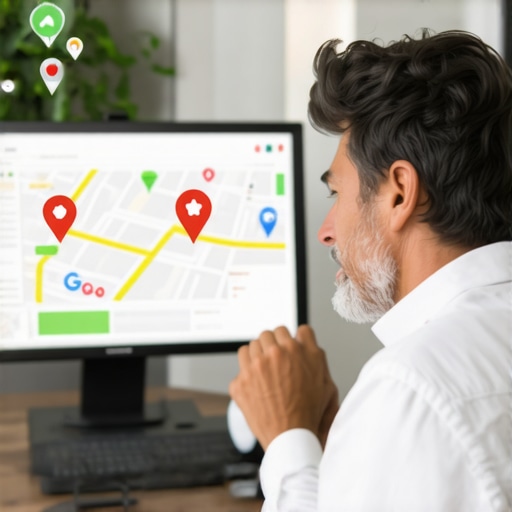
It was a frustrating morning when I realized my business’s Google Maps listing had vanished from the local pack. One day, my phone was ringing off the hook; the next, silence. I knew I was missing out on a flood of potential customers simply because I wasn’t playing the SEO game right. I felt like I was invisible on the map, and frankly, I was. That moment hit me hard—the realization that without a solid local SEO strategy, my shop could become a ghost town. But here’s the thing: I didn’t give up, and neither should you.
Why Local SEO Isn’t Just a Nice-to-Have Anymore
Local SEO has become the heartbeat of small businesses in Bakersfield and the Central Valley. With more consumers turning to Google when searching for nearby services, appearing prominently on the map isn’t just about getting noticed—it’s about survival. Studies show that 78% of local mobile searches lead to an offline purchase within 24 hours, according to Think with Google. That’s a massive window for any local business to capitalize on—if it’s optimized properly.
Are you tired of watching competitors soak up the local leads while your shop stays hidden? It might be time to reassess your strategies.
Is It Really Worth the Hype? The Truth About Local Map Rankings
I’ll admit, when I first dabbled in local SEO, I made the common mistake of investing time into tactics that weren’t aligned with what Google actually valued. Early on, I focused on flashy website design and ignored my Google My Business profile altogether. As a result, my rankings stayed stagnant. It wasn’t until I shifted my focus to proven local SEO tactics—like optimizing my profile and gaining genuine reviews—that I started seeing movement. That mistake taught me the importance of understanding what truly influences your rank. For more insights, I recommend checking out [this comprehensive guide on Bakersfield local SEO](https://bakersfieldlocalseo.com/bakersfield-seo-strategies-boost-your-local-google-rankings-now), which covers essential tactics that can get your business back on the map.
Now, are you facing similar struggles? Let’s dive into the five most effective tactics to help you reclaim your Google Map rank in 2026. Whether you’re new to SEO or looking to sharpen your skills, these strategies can make all the difference.
Optimize Your Google My Business Profile for Maximum Visibility
Start by claiming your GMB profile if you haven’t already. Ensure all business information is accurate, consistent, and complete. Use a local phone number and address, and pick the most relevant categories to help Google understand your niche. Regularly update your profile with new info and respond promptly to reviews to boost engagement. Remember, a well-optimized profile is the cornerstone of local map rankings. For a detailed checklist, visit this guide.
Harness Reviews to Build Trust and Improve Rankings
Encourage satisfied customers to leave honest reviews—aim for a mix of positive feedback and genuine insights. Reviews act as social proof and influence local rankings; more high-quality reviews often equate to higher visibility. Respond to reviews to demonstrate engagement and address any concerns swiftly, which shows Google your responsiveness and care. Avoid fake reviews, as Google’s algorithms are adept at spotting them. For strategies on review management, explore this resource.
Feature High-Quality Photos That Catch Attention
Visual content is crucial—upload clear, professional images that showcase your business offerings, premises, and team. Regular updates keep your profile fresh and engaging. Use photos that highlight your unique selling points, making your listing more attractive in local searches. In 2026, photos are not just aesthetic—they’re a ranking factor. For proven techniques on using images successfully, see this article.
Optimize Your Website with Local SEO Tactics
Your website acts as the digital storefront; it must align with your GMB profile. Implement location-specific keywords naturally into your content, meta descriptions, and headers. Ensure your site is mobile-friendly and loads quickly—speed is a ranking factor. Embed a Google Map on your contact page, and include your NAP (Name, Address, Phone number) info consistently across all pages and directories. To get the full roadmap, check this strategy guide.
Build Local Citations and Backlinks to Strengthen Authority
Get your business listed accurately on local directories and industry-specific sites. Consistent NAP info across all citations helps Google verify your legitimacy. Focus on building backlinks from reputable local sources—sponsors, partnerships, or local news outlets. These signals boost your domain authority and local relevance. For step-by-step techniques, review this resource.
Stay Ahead with Continuous Monitoring and Adjustment
Use tools like Google Search Console and GMB Insights to track your rankings, clicks, and calls. Identify which tactics generate the best results and refine your approach accordingly. SEO in 2026 isn’t static; it demands ongoing effort and adaptation. Regularly audit your profile for errors or inconsistencies and stay updated with Google’s local SEO algorithm changes. Need a comprehensive checklist? Visit this checklist to ensure you’re covered.When it comes to California Maps SEO, especially in competitive markets like Bakersfield and the Central Valley, many local businesses believe that optimizing their Google My Business profiles or building backlinks alone will secure top rankings. However, this approach overlooks a subtle yet critical nuance: the importance of understanding the evolving signals Google uses to rank local results. Let’s dig deeper to expose what most people get wrong. It’s not just about chasing local citations or reviews; it’s about aligning your entire local presence with Google’s latest algorithm priorities. A common myth is that consistency in NAP data is enough—while it’s crucial, recent studies, like those from Moz, show that engagement metrics such as review velocity, user interaction, and direct local signals are becoming increasingly weighted in local rankings. Overreliance on outdated tactics can lead to a false sense of security, trapping businesses in a cycle of diminishing returns. This is where many falter, believing that once their profiles look good, their rankings will automatically follow. But Google’s algorithms are now sophisticated enough to reward a unified, dynamic local presence that adapts continuously, incorporating factors like Google Maps user engagement and real-time data. To truly dominate Google Maps in Bakersfield or across the Central Valley, you need to work on improving not just your profile, but also your local content strategy, review generation dynamics, and user interaction triggers. For a comprehensive breakdown of how your local signals stack up, I recommend reviewing this detailed guide on mastering California Maps SEO. Have you ever fallen into this trap? Let me know in the comments. Remember, ignoring these nuances can cost you valuable local traffic—so stay vigilant and continuously optimize your entire local ecosystem.Maintaining your local SEO momentum requires the right tools and consistent effort. Personally, I rely on dedicated software like BrightLocal for tracking local rankings and reputation management because it provides granular insights into your Google Maps presence and reviews, saving me hours each week. Additionally, SEMrush’s local SEO toolkit helps identify keyword opportunities and monitor competitors in Bakersfield and the broader Central Valley, ensuring my strategy stays ahead of shifting algorithms. For content optimization and ensuring my website aligns with local intent, I’ve found Yoast SEO invaluable for crafting targeted meta descriptions and headers that resonate with local searchers.
Reaching out for expert assistance when needed also keeps my efforts sustainable over time. As local search continues to evolve, integrating tools that offer both automation and detailed analytics is crucial. Stay updated with the latest platform features—Google’s local search algorithm factors, for instance, emphasize engagement metrics like review velocity and user interaction, which you can track with Google Search Console.
Looking ahead, automation in reputation management and review solicitation will become even more vital, especially with features like Google’s Local Services Ads expanding in California. To future-proof your strategies, I recommend setting up automated review requests through platforms like Podium, which I’ve personally used to increase review volume without sacrificing authenticity.
How do I keep my California Maps SEO efforts effective over time?
Regular audits are essential. Schedule monthly checks on your Google My Business insights and rankings, adjusting your tactics based on data trends. Also, stay abreast of updates in Google’s algorithms—recently, the emphasis on local relevance and real-time user engagement has grown, as noted in [Moz’s recent analysis](https://moz.com/blog/local-seo-changing-rank-signals). Incorporating new signals early can give you a competitive edge.
Finally, integrate local content that engages your community, such as blogs featuring Bakersfield events or case studies on Central Valley industries. This strategy not only boosts relevance but encourages backlinks and citations, strengthening your long-term authority. Discover proven tactics here and try implementing one of these advanced tools today to see immediate impact.
What I Wish I Knew About California Maps SEO Before Starting
One of my biggest lightbulb moments was realizing that local SEO isn’t about quick fixes; it’s a strategic game that demands ongoing effort. Early on, I underestimated the importance of engagement signals like review velocity and local content, which are now key ranking factors. Understanding this shifted my approach from chasing outdated tactics to building a cohesive local presence that Google truly values. Trust me, focusing on these nuanced signals can dramatically improve your Bakersfield or Central Valley rankings.
How to Use These Insights to Transform Your Local Business
By integrating continuous monitoring tools like BrightLocal and leveraging Google’s latest features, I managed to push my shop into the top spot on Google Maps. I started creating community-focused content and encouraging genuine reviews, which built trust and authority. If you’re ready to outshine competitors and attract more local customers, aligning your strategy with evolving Google signals is essential. For actionable steps, I recommend exploring this comprehensive guide.
Seize Your Local SEO Edge Today
Remember, the landscape of California Maps SEO in 2026 is dynamic but full of opportunity. Embrace the latest tactics, stay vigilant with your analytics, and always aim for authentic engagement. Your business doesn’t have to remain invisible on the map—by applying these lessons, you can dominate the local search results and unlock a flood of new customers. If you’re eager to learn more, don’t hesitate to reach out. The future of your local success starts now.

![Why Local Reviews Are Killing Your Bakersfield SEO Rankings [2026]](https://bakersfieldlocalseo.com/wp-content/uploads/2026/02/Why-Local-Reviews-Are-Killing-Your-Bakersfield-SEO-Rankings-2026.jpeg)